Sailgene Technology

ONT Adaptive Sampling: A Game-Changing Targeted Sequencing Technology
Release time:2026-08-17 10:38:54
1.Targeted Sequencing Redefined: No PCR or Probes Required
In clinical diagnostics, pathogen monitoring, species identification and other research scenarios, investigators rarely focus on the entire genome — only a small subset of key regions, such as pathogenic genes, viral sequences, or cancer-associated mutation loci, are of interest. Targeted sequencing is designed to address this need by capturing only regions of interest (ROIs) and drastically improving data utilization efficiency.
However, traditional targeted sequencing approaches have inherent limitations. PCR-based amplicon sequencing suffers from amplification bias, fails to efficiently cover GC-rich regions and repetitive sequences, and erases valuable base modification information during amplification. Hybrid capture-based enrichment, while effective for target region enrichment, relies on cumbersome probe design and post-PCR amplification, featuring complex workflows and long turnaround times. Most critically, both methods require pre-designed primers or probes. Any adjustment to research targets necessitates a complete redesign, leading to high costs and prolonged cycles.
Oxford Nanopore Technologies' (ONT) proprietary Adaptive Sampling (AS) technology offers an innovative solution. It revolutionizes the traditional "pre-enrichment then sequencing" paradigm, enabling real-time intelligent screening of target molecules during sequencing without physical probes or PCR amplification. Its comprehensive advantages over conventional methods are as follows:
-
PCR-free & information intact: Directly sequences native DNA/RNA, fully preserving epigenetic modifications such as 5mC and 5hmC. Enables simultaneous genomic variant detection and methylation analysis in a single run.
-
Flexible and programmable: Target adjustment takes only minutes by editing a BED coordinate file, with no need for probe or primer redesign. Supports two core operational modes: target sequence enrichment and interfering sequence depletion.
-
Rapid and efficient: Library preparation can be completed in as fast as 90 minutes, eliminating the tedious wet-lab steps of hybrid capture and multiplex PCR and significantly shortening project turnaround time.
-
Long-read superiority: Reads match the length of native extracted DNA molecules, effortlessly overcoming traditional sequencing blind spots including GC-rich regions, repetitive sequences, and large structural variations (SVs).
-
Cost-effective: Minimizes data waste and sequencing costs compared to whole-genome sequencing (WGS). A single MinION flow cell achieves 5–10-fold target region enrichment.
Shifting from passive full-sequence acquisition to active target screening, Adaptive Sampling is rewriting the possibilities of targeted sequencing. Below is an in-depth breakdown of its working mechanism and practical applications.
2.How Does Adaptive Sampling Enable Real-Time Intelligent Screening?
The core principle behind AS’s real-time "sequence-reading screening" is Read Until. Before a full DNA molecule translocates through the nanopore, the system acquires sufficient sequence information to determine whether to continue sequencing the molecule. This unique capability stems from the inherent working mechanism of ONT sequencing: as a DNA molecule is pulled through the nanopore by motor proteins, base-specific electrical current fluctuations are captured and decoded in real time. In short, the sequencer makes real-time analytical judgments the moment a molecule enters the pore, creating a critical time window for targeted screening.
The entire AS intelligent screening process consists of three interconnected steps:
Step 1: Set Screening Criteria (Pre-Sequencing Setup)
Prior to sequencing, users upload two files to ONT’s MinKNOW software: a FASTA reference genome file and a BED file annotated with ROI coordinates. The operational mode is then selected based on experimental goals — enrichment mode for capturing target regions, or depletion mode for eliminating interfering sequences. The entire setup takes only a few minutes with no wet-lab operations required.
Step 2: Real-Time Molecular Identification (In-Pore Judgment)
As a DNA molecule enters the nanopore, the system instantly captures current signals from the first dozens to hundreds of bases, performs rapid basecalling, and aligns the deduced sequence to the reference genome — all completed before the full molecule translocates through the pore to ensure timely decision-making.
Step 3: Execute Screening Actions (Continue Sequencing or Eject Molecule)
Alignment results determine the fate of each DNA molecule. In enrichment mode, molecules mapped to target regions are fully sequenced, while off-target molecules are instantly ejected via reverse voltage application to free up nanopores for new molecules. In depletion mode, the logic is inverted: pre-defined interfering sequences are ejected, allowing non-target sequences to be sequenced completely.
This real-time "read-judge-act" closed-loop system supports two versatile operational modes for diverse research scenarios:
-
Enrichment Mode: Captures genes or genomic regions of interest, ideal for clinical pathogenic gene detection and cancer mutation screening that require high-sensitivity target mining.
-
Depletion Mode: Removes background interference (e.g., host genomic DNA) to unmask low-abundance microbial or pathogen signals from complex samples.
Both modes share identical hardware and experimental workflows, with differentiation achieved solely via software parameter configuration, delivering exceptional experimental flexibility.
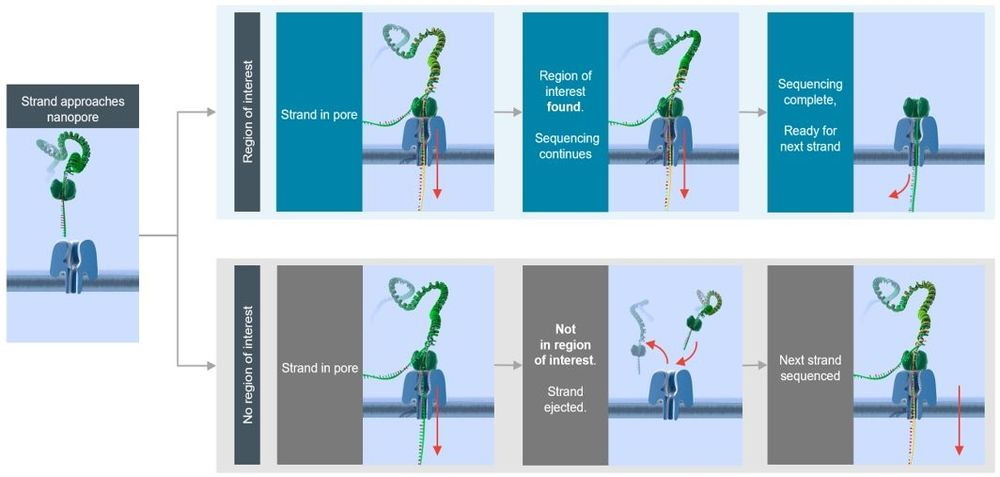
Figure 1 Overview of an adaptive sampling experiment
(Source: https://nanoporetech.com/document/adaptive-sampling)
3.Pre-Experiment Preparation for Adaptive Sampling
3.1 Wet-Lab Preparation: Samples and Libraries
AS has lenient sample requirements, with several key optimization points to ensure optimal performance:
DNA quality and processing: High-molecular-weight (HMW) DNA is recommended to generate long reads, maximizing the advantages of ONT sequencing. Mild DNA fragmentation improves data yield and target enrichment efficiency. AS library preparation requires no amplification or pre-enrichment — standard whole-genome library construction is sufficient for sequencing.
Library loading quantity: A loading dosage of approximately 65 fmol is recommended for AS workflows (higher than the 50 fmol standard for routine WGS). The increased input compensates for reduced pore occupancy caused by frequent off-target molecule ejection, ensuring sufficient valid data output.
Sequencing platforms: The AS function is fully integrated into the MinKNOW software, compatible with all ONT sequencing devices, including MinION, GridION, and PromethION for scalable throughput requirements.
Key considerations: Frequent off-target molecule ejection in AS reduces pore occupancy compared to standard sequencing, which must be accounted for in experimental design and data yield estimation. Sample type also affects enrichment efficiency — saliva-derived DNA typically exhibits lower enrichment performance due to higher fragmentation levels.
3.2 Dry-Lab Preparation: Files and Software
While wet-lab work prepares raw sequencing materials, dry-lab setup provides the core screening criteria for accurate AS targeted capture.
FASTA file: A species-matched reference genome FASTA file is required for real-time sequence alignment (e.g., human reference genome for human samples, strain-specific reference sequences for bacterial samples).
BED file: The core instruction file for AS screening, recording chromosomal coordinate information of ROIs. A standard BED file contains at least three mandatory columns: chromosome ID, start coordinate, and end coordinate, which the system uses to judge molecular targeting. Tools such as BED-Craft enable rapid BED file generation via gene name input (e.g., BRCA1) without manual coordinate lookup.
Software configuration: AS real-time decision-making is natively driven by MinKNOW. Third-party tools such as Readfish can be integrated for customized and advanced screening strategies.
In summary, successful AS sequencing requires only high-quality HMW DNA libraries (wet-lab) and matched FASTA/BED files (dry-lab), enabling streamlined intelligent targeted screening.
4.Core Applications of Adaptive Sampling
Boasting unique strengths including probe-free operation, flexible programmability, long-read capability, and native modification preservation, AS has been widely applied in cutting-edge genomic research, driving productivity gains across clinical diagnosis, basic research, and agricultural breeding.
4.1 Clinical Genetic and Rare Disease Diagnosis
AS is most maturely applied in clinical rare disease diagnosis. Most genetic disorders arise from mutations in complex genomic regions (e.g., highly homologous segments and repetitive sequences), which are blind spots for short-read sequencing and conventional PCR methods. ONT long-read AS sequencing spans these complex regions seamlessly, enabling simultaneous detection of single-nucleotide variants (SNVs), insertions/deletions (InDels), and large SVs in a single run. It also accurately distinguishes pathogenic variants in highly homologous genes, significantly improving the diagnostic yield of de novo mutations in trio-based rare disease analysis.
4.2 Cancer Genomics Research
Tumor genomes are characterized by complex SVs, copy number variations (CNVs), and aberrant methylation. AS long-read sequencing resolves full-length structural rearrangement breakpoints and preserves epigenetic methylation information, enabling panoramic genomic and epigenomic profiling of tumors. Notably, combined with methylation signature databases, AS supports rapid molecular typing of central nervous system tumors during sequencing, compressing traditional multi-day diagnostic workflows to tens of minutes and providing critical genomic evidence for intraoperative clinical decision-making.
4.3 Microbiome Analysis and Pathogen Detection
In microbiome and pathogen research, target microbes are often low-abundance and masked by massive host background DNA. AS depletion mode solves this challenge efficiently: by setting the host genome as the depletion target, the system actively ejects host-derived DNA molecules, granting more sequencing opportunities to microbial sequences. This background denoising strategy enables rapid enrichment of pathogen genomes directly from clinical samples (e.g., synovial fluid, cerebrospinal fluid, tissue biopsies) without microbial culture or multiplex PCR amplification.
4.4 Pharmacogenomics (PGx)
Individual differences in drug response are largely determined by genetic variations. Pharmacogenomics focuses on identifying key genetic variants affecting drug metabolism, efficacy, and adverse reactions to guide personalized clinical medication. AS enables one-stop targeted enrichment of dozens to hundreds of drug-related genes (including CYP450 family genes, drug transporter genes, and HLA immune-related genes), achieving comprehensive detection of SNVs, InDels, and SVs for in-depth pharmacogenomic analysis.
4.5 Crop Breeding and Agricultural Genomics
Plant genomes are typically large, highly repetitive, and polyploid, posing major challenges for conventional targeted sequencing. Leveraging PCR-free long-read sequencing, AS efficiently spans repetitive regions and polyploid homologous segments in plant genomes, enabling accurate identification of agronomically favorable variants related to disease resistance, stress tolerance, and crop quality. It supports rapid characterization of NLR disease resistance gene families and accelerates marker-assisted molecular breeding for crops.
4.6 Innovative Extended Applications
-
Accurate typing of highly homologous blood group genes and heterozygous allele resolution via long reads
-
Rapid and flexible targeted validation of SVs identified by WGS
-
Targeted RNA enrichment for direct ONT RNA sequencing to capture interested transcript sequences
-
Precise identification of HBV/HPV viral integration sites in host genomes
-
Rapid detection of exogenous gene integration for agricultural biosafety supervision
5.Real-World Research Cases Empowered by AS Technology
The following two latest studies demonstrate the practical value of AS in plant metagenomics and crop disease resistance gene identification, showcasing its capability to deliver high-efficiency, high-precision genomic research results.
Case 1: Plant Metagenomics — Enriching Low-Abundance Microbial Signals
Title: Adaptive sampling with Oxford Nanopore offers a simple way to improve the efficiency of plant metagenomic studies
Journal: New Phytologist, 2025
In plant metagenomic research, host genomic DNA (nuclear, chloroplast, and mitochondrial) dominates total sample DNA, while endophytic symbionts and pathogenic microbes are extremely low-abundance, resulting in masked valid microbial sequencing signals. Traditional enrichment methods rely on cumbersome wet-lab preprocessing such as differential centrifugation and cell sorting, causing severe microbial DNA loss and unstable batch-to-batch enrichment performance.
In this study on maize root endophytic microbes, researchers adopted the AS depletion mode. The complete maize host genome was set as the depletion target before sequencing. During sequencing, the system performed real-time k-mer alignment to identify molecular sources: maize host DNA was instantly ejected via voltage reversal, while non-host microbial DNA was fully sequenced.
Without additional sample preprocessing, the relative proportion of microbial sequences was significantly increased from 1.6% (control group, standard sequencing) to 18.7% (AS group). This study verifies that ONT adaptive depletion sampling is a simple, low-cost, and highly stable solution widely applicable to plant root and leaf endophytic microbiome research.
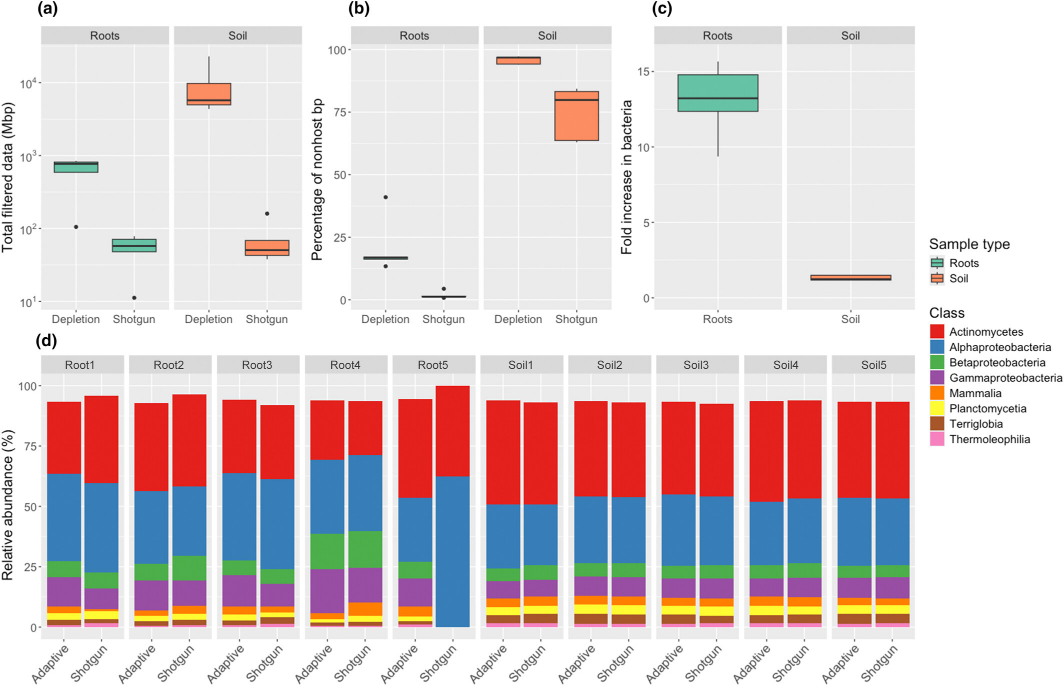
Figure 2 Adaptive sampling efficiency in maize rhizosphere and root microbiome profiling
(Source: https://nph.onlinelibrary.wiley.com/doi/full/10.1111/nph.70450)
Case 2: Melon NLR Disease Resistance Gene Family Identification — Capturing Complex Genomic Regions Precisely
Title: Nanopore adaptive sampling to identify the NLR gene family in melon (Cucumis melo L.)
Journal: BMC Genomics, 2025
Plant NLR (nucleotide-binding site leucine-rich repeat) genes are core components of plant innate immunity. These genes are mostly arranged in tandem clusters with abundant copy number variations, presence/absence polymorphisms, and repetitive sequences, making complete and accurate assembly impossible for short-read sequencing. Long-read WGS is costly and unsuitable for large-scale germplasm resource analysis, while traditional enrichment methods (hybrid capture, long-fragment PCR, Cas9 targeting) involve complex workflows and high costs.
Based on the Anso77 melon reference genome, researchers annotated 15 NLR gene clusters as ROIs and performed AS enrichment sequencing on three melon germplasms (Anso77, Doublon, Chang-Bougi). Anso77 and Doublon samples were split into two groups for paired comparison: AS targeted sequencing and standard WGS without screening.
The results showed that the coverage of NLR target regions increased by approximately 4-fold in all tested germplasms. High-quality long-read data enabled complete and accurate assembly of all 15 complex NLR gene clusters. SVs identified in the Chang-Bougi germplasm were further validated by PCR sequencing. This study confirms that Nanopore Adaptive Sampling (NAS) features simple operation and stable enrichment efficiency, serving as the optimal strategy for analyzing highly repetitive and structurally complex genomic segments such as NLR disease resistance gene clusters.
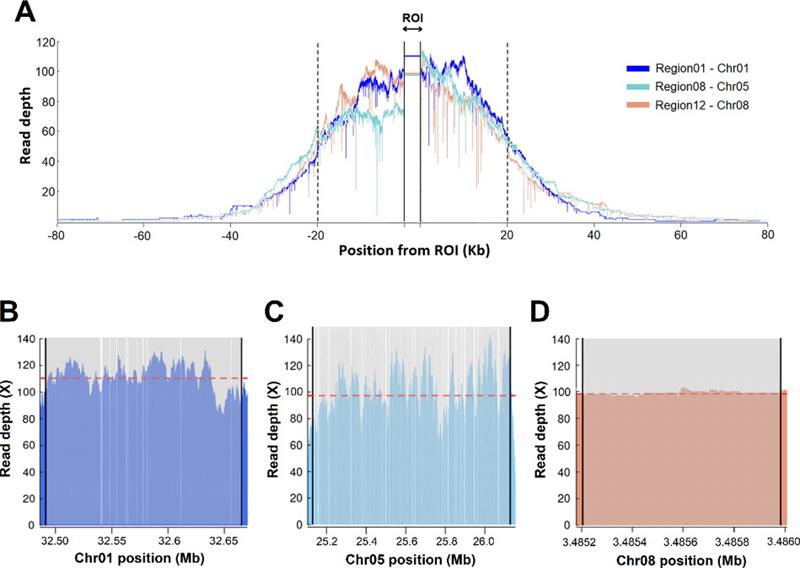
Figure 3 Target region enrichment performance of adaptive sampling
(Source: https://link.springer.com/article/10.1186/s12864-025-11295-5)
6.Summary and Future Outlook
Adaptive Sampling achieves a paradigm shift from traditional "physical targeted enrichment" (probe/primer-dependent) to innovative "digital targeted screening" (software-driven, BED file-based), eliminating the limitations of cumbersome and inflexible wet-lab pre-enrichment workflows.
With the continuous improvement of ONT platform throughput and real-time analytical algorithms, AS will unlock broader applications in large-scale genomic research and personalized clinical medicine. Most notably, the combination of AS real-time decision-making and ONT ultra-rapid sequencing enables intraoperative real-time genomic tumor typing, providing unprecedented time advantages for precise clinical decision-making. As a core innovative technology, Adaptive Sampling will play an increasingly vital role in the era of precision medicine and functional genomics research.
References
-
Wang J, Yang L, Cheng A, et al. Direct RNA sequencing coupled with adaptive sampling enriches RNAs of interest in the transcriptome[J]. Nature Communications, 2024, 15(1): 481.
-
Verhoeven J T P, Malwe A S, Roussel N, et al. Adaptive sampling with Oxford Nanopore offers a simple way to improve the efficiency of plant metagenomic studies[J]. New Phytologist, 2025, 248(4): 1620.
-
Belinchon-Moreno J, Berard A, Canaguier A, et al. Nanopore adaptive sampling to identify the NLR gene family in melon (Cucumis melo L.)[J]. BMC Genomics, 2025, 26(1): 126.
Previous Page
Previous Page

Contact Us
If you are interested in our long-read sequencing services or potential collaboration, please contact us. Our team is ready to support your research with tailored solutions. We also welcome feedback from users to help us improve our services.

Contact Us
Add: One Innovation Drive, Suite B3-406, Worcester, MA 01605, USA
在线客服添加返回顶部
右侧在线客服样式 1,2,3 1
图片alt标题设置: SAILGENE TECHNOLOGY INC.
表单验证提示文本: Content cannot be empty!
循环体没有内容时: Sorry,no matching items were found.
CSS / JS 文件放置地